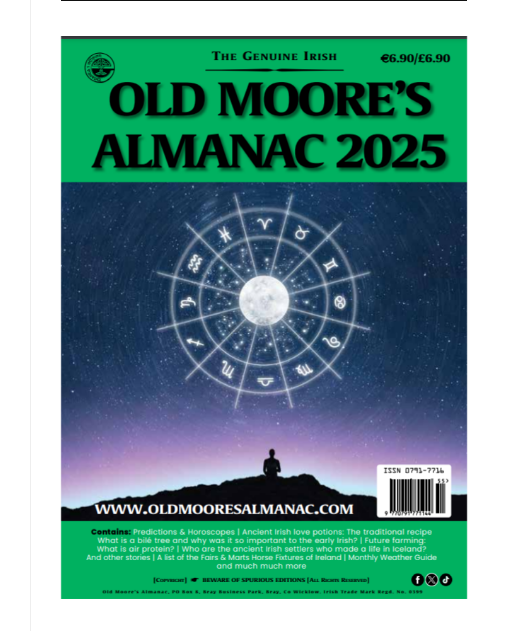
Cruise Ship Drama: Old Moore’s Almanac predicted that there would be cruise ship drama in 2026. Months into 2026, it’s fair to say the seas have been anything but calm.
When Old Moore’s Almanac made its predictions for 2026, one stood out for its nautical specificity. “A major cruise ship issue will capture global attention,” the Almanac warned. “The media will stay on this one for quite some time.” In fact, it hasn’t been just one issue. It’s been a string of them, and the year is barely half done.
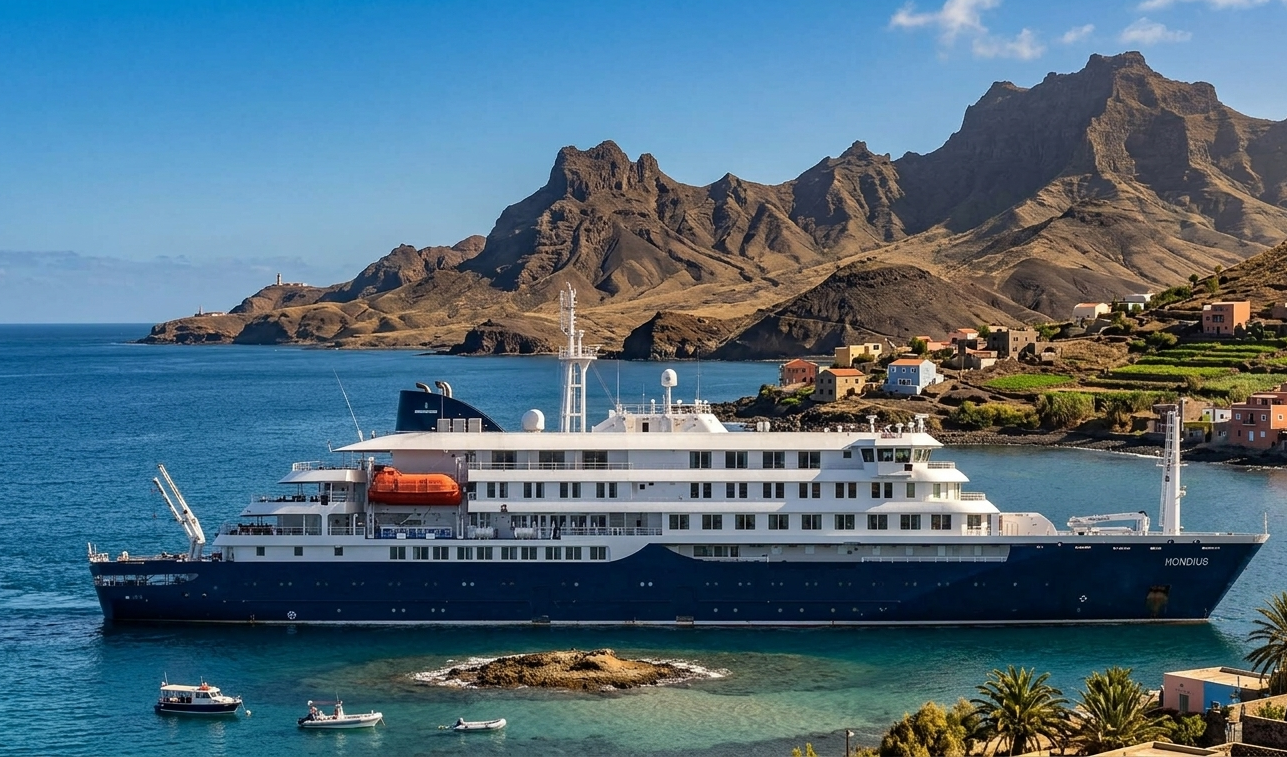
It is hard to imagine a more chilling fulfilment of that prophecy than what is currently unfolding aboard the MV Hondius.
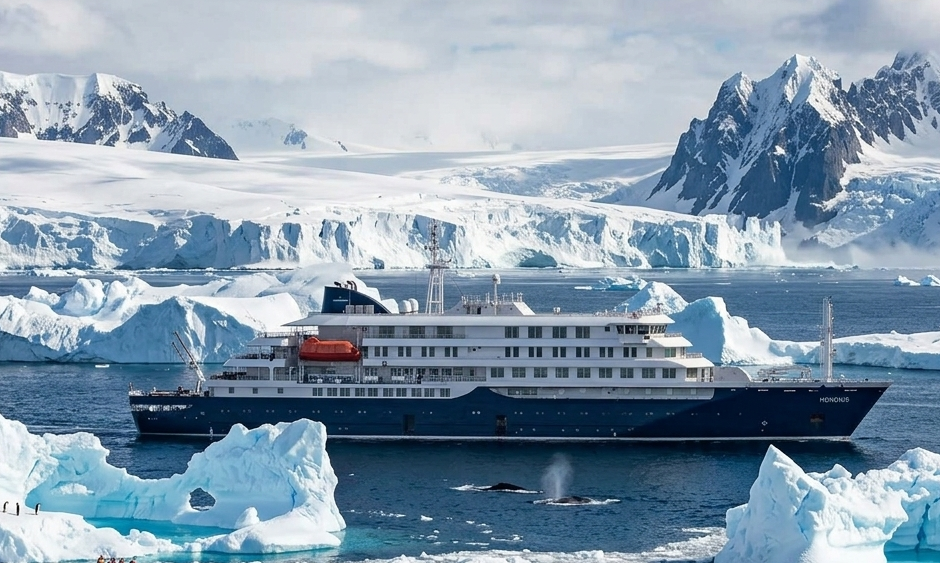
It began as the adventure of a lifetime. The MV Hondius left Ushuaia in southern Argentina on a voyage marketed as an Antarctic nature expedition, with berth prices ranging from €14,000 to €22,000. It travelled past mainland Antarctica, the Falklands, South Georgia, Nightingale Island, Tristan, Saint Helena, and Ascension before heading towards Cape Verde. The kind of journey most people only dream of: remote, wild, extraordinary. What nobody knew was that somewhere along those lonely Atlantic miles, a deadly virus was quietly moving through the passengers.
Cruise Ship Drama: The Ship and Its Voyage
The MV Hondius is named after Jodocus Hondius, the renowned Dutch-Flemish cartographer of the 16th and 17th centuries. Built in 2019 and Dutch-flagged, it is operated by Oceanwide Expeditions, a company founded in 1993 that specialises in polar voyages to remote, sea-access-only areas. It is the first-registered Polar Class 6 vessel in the world, meeting the highest Lloyd’s Register standards for ice-strengthened cruise ships. In other words, this was not a standard Caribbean holiday cruise. It was a specialist expedition for adventurous, well-heeled travellers seeking the edges of the map.
The Dutch-flagged vessel made stops in Antarctica before returning to Ushuaia for a night and leaving again on 1st April. It then stopped at the British overseas territory of Saint Helena before heading north towards Cape Verde. Along the way, passengers visited some of the world’s most remote islands, where they would have seen much wildlife, including whales, dolphins, penguins and seabirds. It was the wildlife encounters and the Zodiac boats ferrying passengers to shore, that may now hold the key to how this outbreak began.
The Deaths: A Tragedy Unfolds
The first victim was a 70-year-old Dutch man. He was the first to present with symptoms: fever, headache, abdominal pain and diarrhoea. He died on board on 11th April. His body remained on the ship until 24th April, when it was disembarked at Saint Helena, accompanied by his wife.
What happened next was devastating. His wife, aged 69 and also Dutch, was transferred to South Africa. She collapsed at Johannesburg’s international airport while attempting to fly home to the Netherlands and died at a nearby hospital. South African Health Minister Aaron Motsoaledi confirmed that her blood was tested posthumously and returned a positive result for hantavirus. A husband and wife, off on an extraordinary adventure together. Neither came home.
The third death occurred on 2nd May. A German national died on board the MV Hondius and is being treated as a suspected case. His body remains on the ship.
Cruise Ship Drama of 2026: Those Still Fighting for Their Lives
After the ship left Saint Helena, a British national fell sick on 27th April. He is now in a critical condition at a private medical facility in Johannesburg and has been confirmed as the second laboratory-verified case of hantavirus.
Two crew members, one British and one Dutch, are also experiencing acute respiratory symptoms requiring urgent care, though hantavirus has not yet been confirmed in either case. Dutch authorities have been working to organise their medical evacuation.
In total, the WHO has identified seven cases so far, including two confirmed and five suspected, with all victims falling ill between 6th and 28th April, reporting symptoms including fever, gastrointestinal problems, rapid progression to pneumonia, acute respiratory distress syndrome and shock.
Stranded at Sea: The 149 Left on Board
The remaining passengers, who represent 23 different nationalities including 17 Americans, are required to follow strict precautionary measures including isolation and medical monitoring. Two Irish citizens are also on board, with Ireland’s Department of Foreign Affairs confirming it is providing consular assistance.
The ship has been refused permission to dock. Cape Verde’s Health Ministry said it will not allow the ship to dock because of public health concerns, and the vessel has been kept in open waters close to shore. The cruise operator said the ship may sail from Cape Verde to Las Palmas or Tenerife in the Canary Islands instead.
One stranded passenger, American travel blogger Jake Rosmarin, posted an emotional video from the ship that captured the mood of everyone on board. “I am currently on board the MV Hondius, and what’s happening right now is very real for all of us here. We’re not just a story, we’re not just headlines, we’re people with families, with lives, with people waiting for us at home. There’s a lot of uncertainty, and that’s the hardest part. All we want right now is to feel safe, to have clarity, and to get home.”
What Is Hantavirus?
For most people, the word hantavirus is unfamiliar. Hantaviruses are usually spread by exposure to urine, saliva or faeces from infected rodents such as rats or mice, and infections are rare but can cause deadly respiratory complications.
An Irish expert in anatomy, Professor Adam Taylor of Lancaster University, told RTÉ that hantavirus is “incredibly rare, and probably underdiagnosed,” with at least 38 recognised species across the globe. He noted that not everyone who contracts the virus develops severe symptoms, but that there is “a huge spectrum” of how the illness affects people.
There is no specific cure. Early medical attention can increase chances of survival, but as the WHO’s European director Hans Kluge has stated, while the disease can be severe, it is not easily transmitted between people.
However, there is one complicating factor specific to this outbreak’s geography. There has been evidence of human-to-human transmission in the Andes virus, a species of hantavirus found in Argentina and Chile, and experts have noted it is significant that this cruise ship began its journey in Argentina. Hantavirus is endemic in parts of Argentina, and a previous outbreak in southern Argentina in 2019 killed at least nine people.
Where Did It Come From?
That remains the central mystery. Argentine health officials confirmed that no passengers had hantavirus symptoms when the Hondius departed, but noted that because symptoms can appear up to eight weeks after exposure, the passengers could have been incubating the disease before boarding. The WHO says it has not yet determined whether passengers had contact with infected wildlife during the trip or prior to boarding.
Cruise Ship Drama of 2026: Old Moore’s Prediction Confirmed
The prediction was made in November 2025, months before the MV Hondius left port. At the time of writing, the story is leading news bulletins across Europe, North America and beyond, with governments from the Netherlands, Britain, the United States, Canada and Ireland all monitoring the situation. The seas, as Old Moore foresaw, have not been calm.