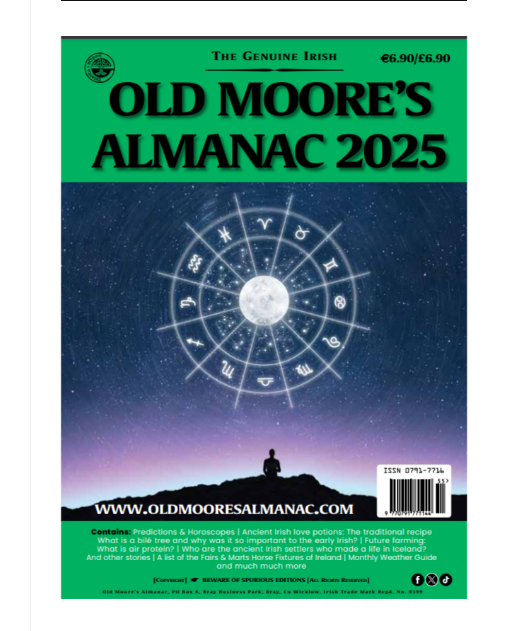
Old Moore Predicted France Chaos: In the 2026 Edition he said “France’s political landscape changes vastly. Brigitte and Emmanuel Macron heavily in the news.”
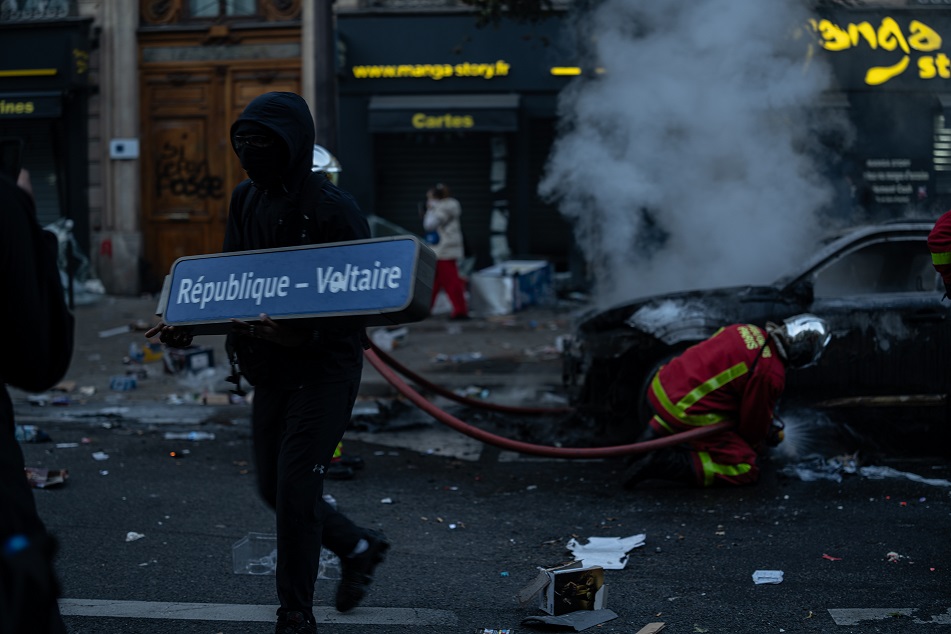
France is facing a crisis of law and order, with burning buildings, looted shops, violent clashes with police and a political establishment increasingly accused of losing control of the country. As masked rioters bring destruction to French, people around the world are appalled at the sheer wreckage.
The images are devastating. Historic buildings ablaze, businesses stripped by looters and police officers attacked by violent mobs have become the defining pictures of France’s latest unrest. In Limoges, the historic town hall was severely damaged by fire. In Paris, Bordeaux, Marseille and Lyon, shops were ransacked and public property attacked. French authorities reported nearly 1,800 arrests by Sunday, 18 October, with hundreds of police officers, gendarmes and firefighters injured. The toll s still rising.
This is not simply a story about peaceful protest. It is a story about uncontrolled immigration, far left activists, and a president seemingly asleep at the wheel.
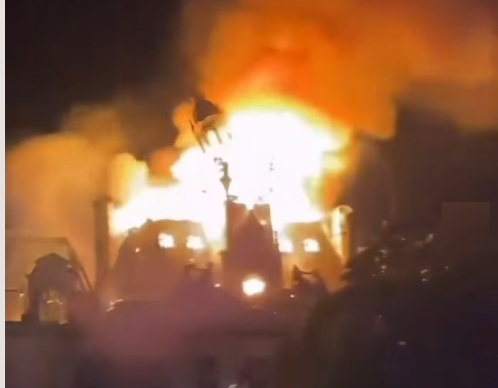
The historic 143-year-old Hôtel de Ville (Town Hall) in Limoges, France, suffered a catastrophic fire and the collapse of its clock tower spire on Saturday, October 17, 2026
The immigration question France cannot ignore
For years, critics of France’s immigration policies have warned that uncontrolled migration, failed integration and the growth of alienated communities could create serious social tensions. They have frequently been dismissed as extremists for raising questions that are now impossible to avoid.
These arguments deserve serious examination rather than automatic dismissal.
France has struggled with integration, segregated suburbs, religious tensions and repeated outbreaks of urban violence. The question of whether successive governments have been too reluctant to confront these problems is now central to the national debate.
The political question is why governments repeatedly appear unable to prevent the same pattern from recurring.
There is a profound difference between the right to protest and the right to destroy. France has a long tradition of demonstrations and industrial action, but democratic freedoms cannot become a licence for mobs to burn public buildings, terrorise shopkeepers or attack police officers.
The government must identify those responsible, prosecute them and ensure that the costs of criminal destruction do not simply fall on taxpayers and already struggling businesses.
Old Moore Predicted France Chaos: Macron’s night of music
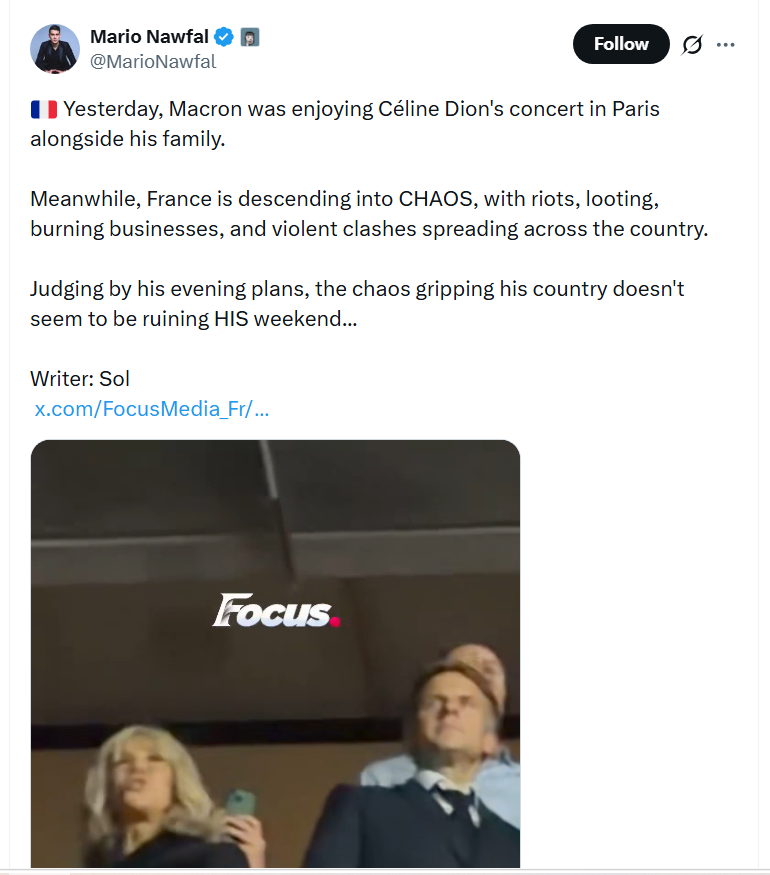
The controversy surrounding Emmanuel and Brigitte Macron has added a powerful symbol to the crisis.
On Friday, 16 October, the presidential couple attended Céline Dion’s concert at the Plenitude Arena in Nanterre, west of Paris. They reportedly arrived and departed discreetly, enjoying the performance from a private box.
The following day, nationwide demonstrations escalated into serious violence.
The timing provoked a furious political reaction. Critics questioned whether the president understood the mood of a country facing mounting crisis.
A political reckoning approaches
France’s crisis arrives at a critical moment. The presidential election scheduled for 2027 will provide voters with an opportunity to judge Macron’s record and decide whether the political establishment deserves another chance.
Marine Le Pen’s National Rally has long argued for tougher immigration controls, stronger policing and a more assertive approach to national identity. The unrest provides fresh ammunition for those who believe France needs a decisive change of direction. The radical left, meanwhile, continues to challenge the government, while the political centre struggles to maintain its authority.
The stakes extend beyond one president or one weekend of rioting. They concern the fundamental responsibilities of government: protecting citizens, enforcing the law, controlling borders and preserving public order.
A country cannot indefinitely tolerate criminal mobs, failed integration or political leaders who appear unable to impose order.
Old Moore’s Almanac predicted that France’s political landscape would change vastly and that Emmanuel and Brigitte Macron would be heavily in the news. As France confronts violence, immigration controversies and mounting questions about presidential leadership, that prediction has acquired striking relevance.
The decisive question is whether France’s leaders will confront the problems openly and restore public confidence, or whether the next election will deliver a verdict on years of political failure.