St Patrick’s Day 2026: Something wonderful is happening in Ireland right now, and the data backs it up. New research from Core has found that the Emerald Isle is riding a genuine wave of cultural confidence, and the good vibes are spreading well beyond its shores.
The findings come from The Evolving Irishness Report – Research on Identity & Culture 2026, written by Finian Murphy and Aishling Roche and based on a nationally representative survey of 1,000 Irish adults conducted in February. The verdict? Ireland is having a full-blown cultural renaissance, and people are absolutely here for it.
Six in ten adults say Irishness has become more visible in recent years, and it’s not hard to see why. From Paul Mescal and Barry Keoghan lighting up cinema screens to Fontaines D.C. and CMAT redefining what Irish music sounds like, Irish talent is everywhere right now. Even Beyoncé’s Cowboy Carter tour got a céilí moment. Kneecap landed a Coachella slot. Ireland is officially having its cultural main character era.
And people feel good about it. Half of those surveyed said the cultural surge makes them feel proud, 47% said it makes them happy, and more than a third said it inspires them. Around 31% said it’s made them optimistic about Ireland’s future. Which, in a world that can feel pretty chaotic right now, is no small thing.
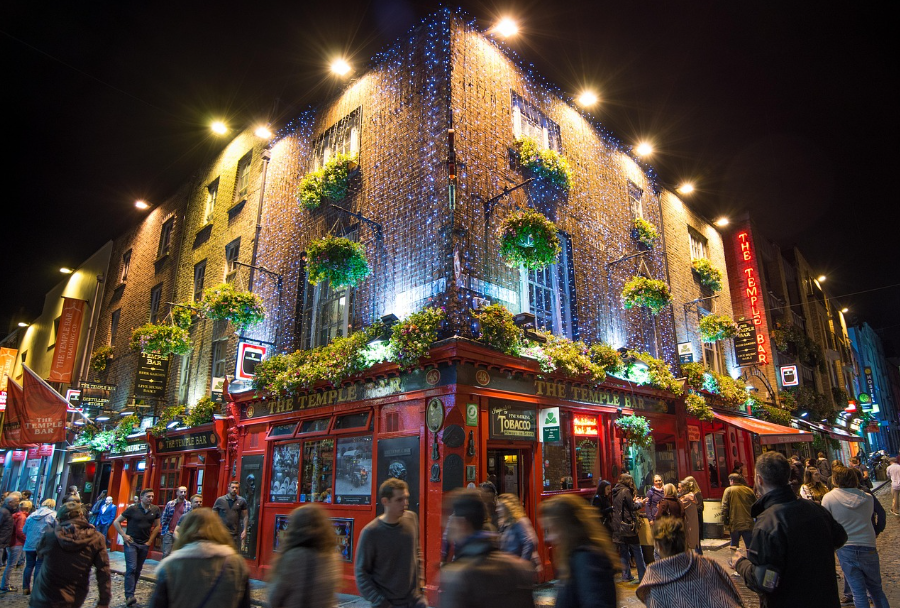
St Patrick’s Day 2026: Old soul, new energy
What makes this revival so heartening is that it isn’t about choosing between old Ireland and new Ireland — it’s both. An impressive 83% of people said it’s important that traditions and cultural practices don’t fade away, while 82% welcomed the revival of ancient Irish stories. At the same time, seven in ten agreed that Irish identity should be open to anyone who lives in Ireland and contributes to society.
Core identified three broad groups in how people relate to all of this. The biggest cohort, “Moderate Modernists” at 48%, supports cultural openness while also wanting to hold on to what makes Ireland, Ireland. “Cultural Progressives” (37%) lean into a more fluid, inclusive vision of Irishness. And “Identity Preservationists” (15%) are the traditional guardians. The lovely thing is that all three groups share a deep love of Irish culture. They just have different ideas about how it should grow.
The participation gap
There’s one area where enthusiasm hasn’t quite caught up with action. While two-thirds of people listen to Irish artists and more than half watch Irish stories on screen, participation drops off when things require a bit more effort. Only 28% are actively learning or practising the Irish language, for instance. The research suggests that making cultural activities easier to access could help people go from fans to participants, which feels like a very solvable problem.
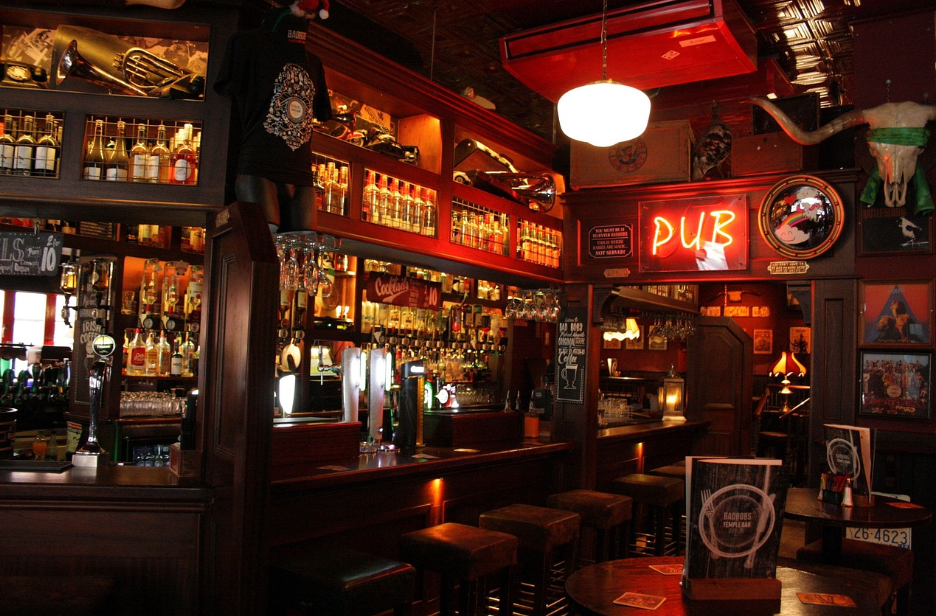
St Patrick’s Day 2026: More than just good craic
Beyond the warm fuzzy feelings, Core’s report makes the case that Ireland’s cultural moment has real economic weight. Irish artists and storytellers aren’t just making people proud, they’re actively building Ireland’s international reputation and driving tourism and creative industries. Culture, the report argues, has become one of Ireland’s greatest assets.
For brands and organisations, the message is clear. Don’t try to define Irishness, just champion it. Support the creativity, enable participation, and celebrate the magical mix of heritage and reinvention that makes Irish culture so compelling right now.
As lead researcher Finian Murphy puts it, this revival is “less about restoring the past and more about reimagining the future.” In an era of often shallow or inauthentic output, Ireland’s creative work feels genuinely grounded, delivered, as ever, with a distinct sense of charm and character.
So this St Patrick’s Day, raise a glass to that. Ireland is doing something quietly remarkable, and the world is watching.
Read the full report: The Evolving Irishness Report — Research on Identity & Culture 2026